
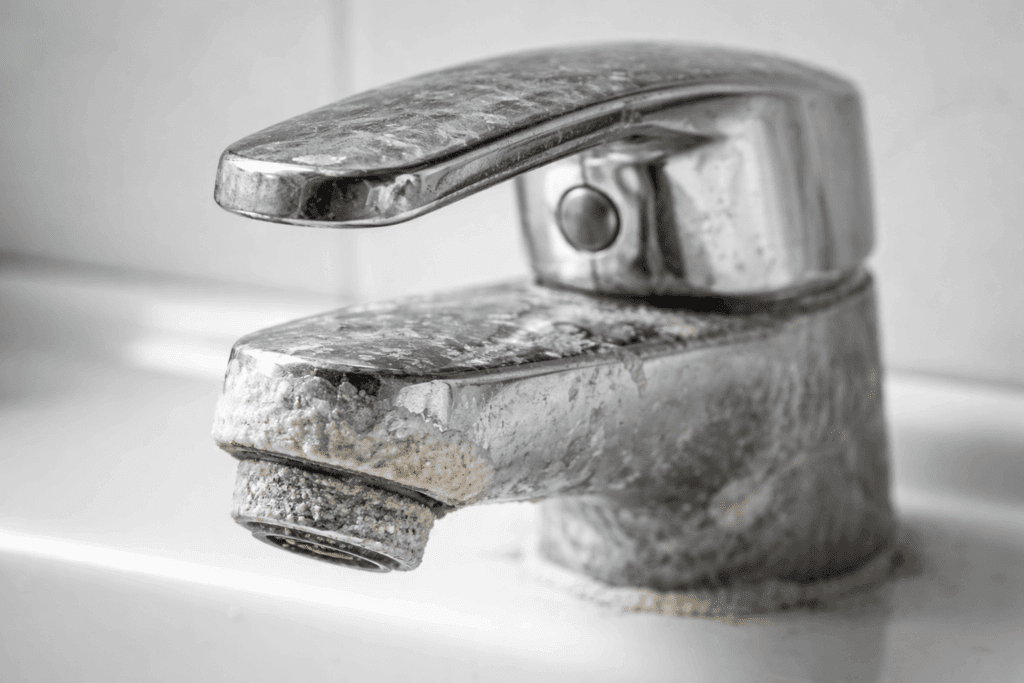
If you live in the Midwest, chances are you’ve scrubbed your bathroom only to watch white film, cloudy glass, and crusty faucet buildup come right back. Quickly. That’s not bad cleaning habits. That’s hard water doing what hard water does best.
Mineral buildup is one of the most common bathroom frustrations in Midwest homes, and it’s also one of the most misunderstood. The good news is that with a few smart habits, you can slow it down and keep your bathroom looking cleaner for longer.
What Causes Mineral Buildup in Midwest Homes?
Most Midwest homes have hard water, meaning the water contains high levels of minerals like calcium and magnesium. Every time water dries on a surface—faucets, shower doors, tile, or fixtures—those minerals stay behind.
Over time, they create:
Chalky white or gray residue
Cloudy glass and mirrors
Rough, crusty buildup around faucets and drains
Dull-looking fixtures, even after cleaning
Because we use hot showers more often in colder climates and keep bathrooms closed up during winter, mineral deposits build faster here than in many other regions.
The Biggest Mistake People Make
The most common mistake is waiting until mineral buildup is visible and stubborn before dealing with it.
Once minerals harden, they bond tightly to surfaces. At that point, scrubbing gets harder, fixtures wear down faster, and no amount of “extra elbow grease” seems to help.
Prevention works far better than heavy-duty removal.
Simple Ways to Prevent Mineral Buildup
You don’t need fancy tools or harsh chemicals. Consistency matters more than intensity.
Dry surfaces after use.
This is the single most effective habit. Wipe down shower glass, faucets, and fixtures after showers. Minerals can’t settle if water doesn’t sit.
Rinse fixtures weekly.
A quick rinse followed by drying once a week helps prevent minerals from stacking up layer by layer.
Use the right products sparingly.
Avoid products that leave residue behind. Heavy soaps and creamy cleaners can actually trap minerals and make buildup worse over time.
Ventilation matters more than people realize.
Run the bathroom fan during and after showers. Moist air allows mineral residue to cling longer to surfaces.
Areas That Need Extra Attention
Mineral buildup doesn’t spread evenly. Some spots are always worse than others.
Faucet bases and handles
Showerheads and spray nozzles
Glass shower doors and tracks
Tile grout near water lines
Drains and overflow plates
These areas benefit from regular light attention rather than occasional deep scrubbing.
Why Mineral Buildup Comes Back So Fast
Even when you clean it well, hard water doesn’t stop flowing. That’s why many Midwest homeowners feel like they’re stuck in a constant loop.
The goal isn’t perfection. The goal is slowing the cycle.
Routine maintenance prevents buildup from reaching the stage where it looks permanent or damages fixtures.
When Professional Cleaning Makes the Difference
Professional bathroom cleaning isn’t about making things look good for a day. It’s about resetting surfaces so buildup doesn’t keep compounding.
A professional clean:
Removes existing mineral layers safely
Protects fixtures from damage
Makes routine upkeep easier between visits
Helps bathrooms stay cleaner longer, even with hard water
For many Midwest homes, especially those with hard water, regular professional cleaning is less about luxury and more about long-term maintenance.
The Takeaway
If your bathroom never seems to stay clean, it’s not you. It’s the water.
Mineral buildup is a fact of life in the Midwest, but it doesn’t have to take over your bathroom. With simple preventative habits and consistent care, you can keep fixtures brighter, glass clearer, and cleaning far less frustrating.
In Midwest homes, staying ahead of mineral buildup is one of the smartest ways to protect your bathroom—and your time.